
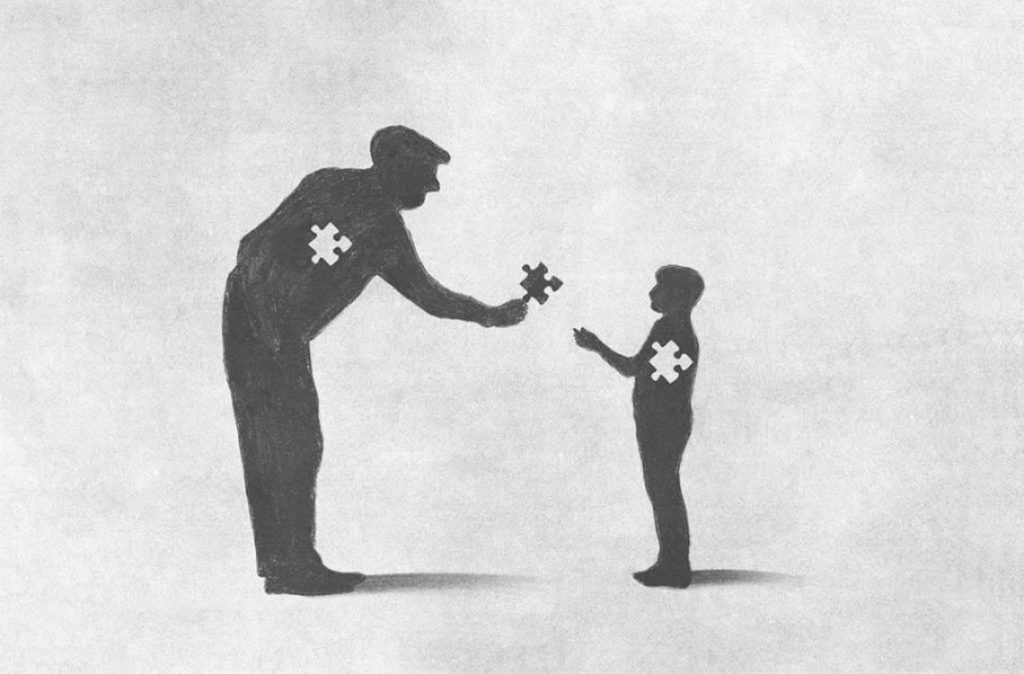
Many parents hope to raise children who are kind, thoughtful and willing to help others.
While academic success and life skills are important, qualities like empathy and generosity can shape the kind of people our children grow up to be.
One of the best ways to nurture these values is by teaching children that giving sometimes means sharing their time, effort or belongings for the benefit of someone else.
Fortunately, these lessons don’t have to come from grand gestures. In everyday family life, simple acts of kindness can leave a lasting impression.
Why Teaching Generosity Matters


Generosity isn’t only about donating money.
It can be as simple as sharing toys with a sibling, helping a friend who is struggling, or spending time with someone who feels lonely.
When children learn to think beyond their own needs, they begin to develop:
- Empathy and emotional intelligence
- Gratitude for what they have
- Confidence through helping others
- A stronger sense of community
Research has also shown that acts of kindness can boost happiness and emotional wellbeing, making generosity a valuable habit for both children and adults.
Be the Example They Follow

Children learn far more from what parents do than what they say.
Whether it’s helping a neighbour carry groceries, donating unused clothes, or taking time to support a family member, everyday moments show children what kindness looks like in action.
The goal isn’t to give away everything you have but to demonstrate that helping others is a natural part of life.
Volunteer Together as a Family

Singapore offers plenty of family-friendly volunteering opportunities that allow children to experience the joy of giving back.
You could:
- Pack food hampers during festive seasons.
- Join a neighbourhood clean-up.
- Participate in charity walks.
- Help prepare donations for community organisations.
- Support local animal welfare groups.
These shared experiences help children understand that even small contributions can make a difference.
Encourage Them to Donate Their Own Belongings

Instead of throwing away toys, books or clothes they’ve outgrown, involve your child in choosing items to donate.
Let them help pack the donations and explain how another child may enjoy and benefit from them.
When children actively participate in giving, they begin to associate generosity with positive feelings rather than loss.
Read Stories That Explore Kindness and Giving

Books can help children understand abstract concepts in ways they can relate to.
One timeless favourite is The Giving Tree, which explores love, generosity and the importance of balance in relationships.
Stories like these can open up meaningful conversations about helping others while also caring for ourselves.
The Real Reward of Giving
Children may initially think that giving something away means having less.
But over time, they learn that acts of kindness often bring something back too – stronger friendships, happier communities and the satisfaction of knowing they’ve made someone’s day a little brighter.
By encouraging generosity from a young age, parents aren’t just teaching good manners. They’re helping raise thoughtful, compassionate individuals who understand that even the smallest act of kindness can have a lasting impact.
Disclaimer: The information provided in this article is for informational purposes only and should not be considered as medical advice from Motherhood. For any health-related concerns, it is advisable to consult with a qualified healthcare professional or medical practitioner.
For more insightful stories and parenting advice, stay tuned to Motherhood.sg!