
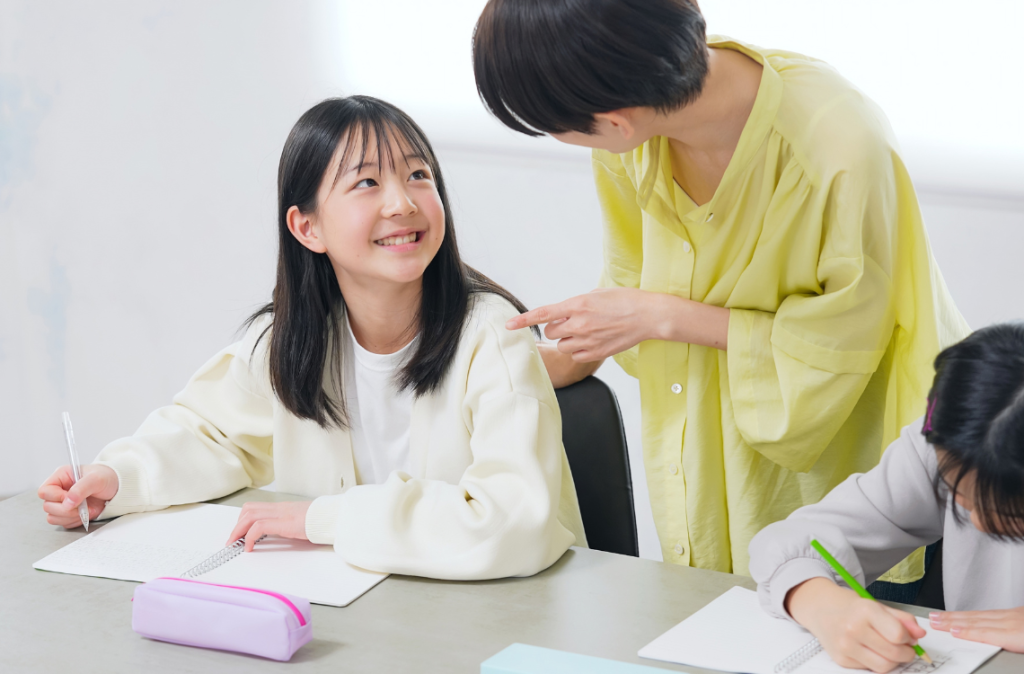
Short answer: Parents can help reduce PSLE stress by focusing on their child’s effort and wellbeing, keeping expectations realistic, protecting sleep and giving children space to talk about how they are coping. Singapore’s Ministry of Education (MOE) provides a PSLE parent guide that encourages parents to listen, reassure and encourage their children while being mindful of their own expectations.
For Primary 6 families, the PSLE period can feel like it takes over the entire household.
Revision schedules, tuition, practice papers and conversations about secondary schools can make an already demanding period feel even bigger for children.
And sometimes, the child who looks like they are coping may actually be feeling overwhelmed.
With the 2026 PSLE results tentatively scheduled for 24–25 November 2026, according to the Singapore Examinations and Assessment Board (SEAB), families may still have weeks of waiting and uncertainty ahead after the examinations. SEAB’s 2026 examination dates list the results release as a tentative date.
What Does PSLE Stress Look Like In Children?
Every child responds differently to exam pressure. Some children may openly say that they are worried, while others may show changes in their behaviour or daily routines.
According to MOE’s PSLE parent guide, parents can look out for changes such as:
- Difficulty paying attention
- Making excuses to miss school or classes
- Feeling unusually tired
- Changes in appetite or sleep
- Staying away from others
- A rebellious streak
- Increased sulkiness
One sign on its own does not necessarily mean that a child is experiencing significant stress. However, if you notice several changes happening together or a noticeable change from your child’s usual behaviour, it may be worth checking in with them gently.
These changes are worth paying attention to, particularly if they are affecting your child’s school routine, relationships or ability to cope with everyday activities. A calm conversation can help you understand what is behind the change before deciding what support they may need.
What Should Parents Say To A Stressed PSLE Child?
Sometimes the instinct is to reassure a child quickly:
“Don’t worry, you’ll be fine.”
While well-intentioned, this may not address what the child is actually worried about.
Instead, try questions such as:
- “What part of PSLE feels hardest right now?”
- “Are you worried about the exams, the results or what happens afterwards?”
- “Is there anything you think we expect from you that is making you anxious?”
- “What would make this week feel a little easier?”
You do not have to solve the problem immediately.
Sometimes, allowing your child to explain what they are feeling without turning the conversation into another study session is already helpful.
Should Parents Push Harder If Their Child Is Falling Behind?
More pressure is not necessarily the answer.
If a child is struggling with a particular subject, parents can work with the child to identify the specific problem.
For example, is the issue:
- Not understanding a concept?
- Running out of time?
- Making careless mistakes?
- Feeling anxious during tests?
- Being too tired to concentrate?
The solution may be different for each problem.
Adding more worksheets or tuition without understanding the underlying issue may simply make the child feel more overwhelmed.
Don’t Let PSLE Take Over The Whole Day


Revision is important, but children also need opportunities to rest.
Try to maintain basic routines around:
- Regular meals
- Adequate sleep
- Physical activity
- Short breaks
- Family conversations
- Time away from schoolwork


MOE’s parent resources emphasise supporting children’s resilience and recognising their effort and growth, rather than comparing them with others or labelling particular PSLE scores as “good” or “bad”.
What About Tuition and Practice Papers?
Tuition and practice papers can be useful tools, but they should serve a purpose rather than simply fill every available hour.
Before adding another class, parents can ask:
“What specific problem are we trying to solve?”

If the child needs help understanding a particular topic, targeted support may be more useful than another broad revision schedule.
Likewise, practice papers should help children become familiar with the format and identify areas for improvement, rather than becoming a daily source of pressure.
How Can Parents Handle Their Own PSLE Anxiety?
Children often notice when adults are extremely worried about their results.
Parents may naturally think about secondary school choices, future opportunities and whether their child is “doing enough”.
But repeatedly discussing marks, comparing children or expressing disappointment can add pressure.
MOE encourages parents to let children know they are proud of their effort and to assure them that parental support does not depend on the examination outcome.
It can help to remind yourself that PSLE is one stage of a child’s education, not a complete measure of who they are.
What Happens After PSLE?
Once the papers are over, some children may want to talk about how they performed. Others may prefer to move on immediately.
Try not to spend the entire waiting period analysing every question.
The 2026 PSLE results release is tentatively scheduled for 24–25 November, but SEAB notes that the actual date will only be confirmed once the necessary processes have been completed.
In the meantime, let your child enjoy being a child again.

Go for a meal. Watch a movie. Play a game. Spend time outdoors. Let them reconnect with friends.
FAQs About PSLE Stress
How Can I Help My Child Manage PSLE Stress?
Listen without immediately correcting or giving more study advice, maintain healthy routines, keep expectations realistic and focus on effort rather than comparisons.
Should Parents Talk About PSLE Results?
Yes, but try to avoid making results the measure of your child’s worth or future. Keep conversations focused on what your child needs and how you can support them.
Is It Normal For A Child To Feel Stressed About PSLE?
Some stress around an important examination can be expected. However, persistent or severe changes in mood, sleep, behaviour or daily functioning deserve closer attention and may warrant professional support.
What Should Parents Avoid Saying During PSLE?
Avoid comparisons with siblings or classmates, repeatedly asking about marks and implying that one score determines your child’s future. Instead, acknowledge their effort and let them know that you are there regardless of the outcome.
PSLE is an important milestone, but children need to know that they are more than an examination result. For parents, sometimes the most useful thing you can give them during this season is not another worksheet, but a sense that home remains a safe place to rest, talk and be themselves.
Disclaimer: The information provided in this article is for informational purposes only and should not be considered as medical advice from Motherhood. For any health-related concerns, it is advisable to consult with a qualified healthcare professional or medical practitioner.
For more insightful stories and parenting advice, stay tuned to Motherhood.sg!