
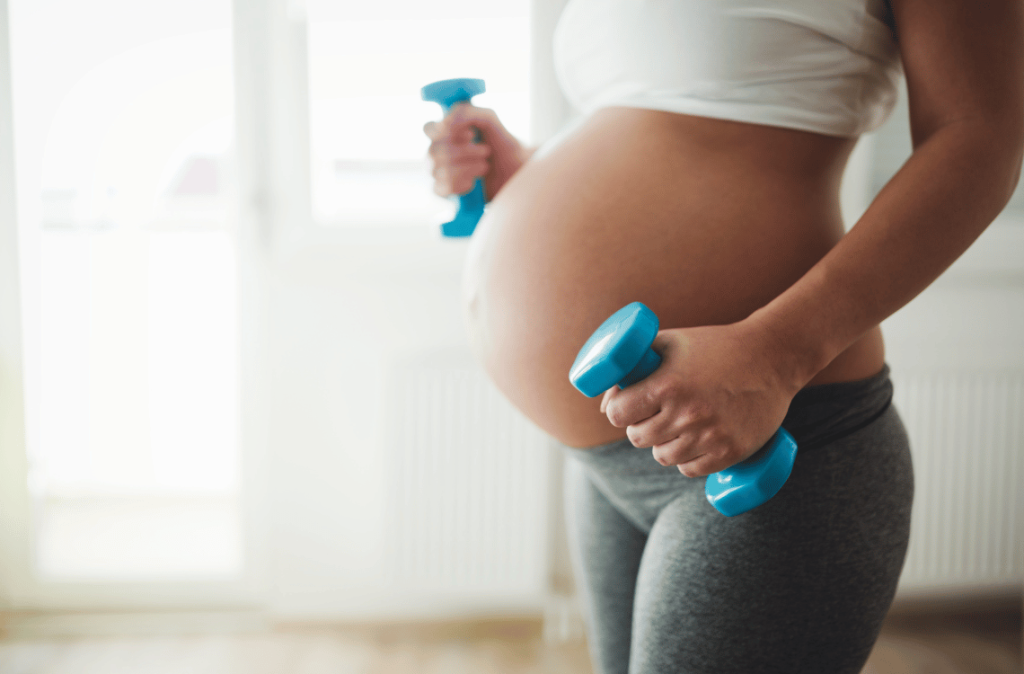
Exercise during pregnancy can be a surprisingly controversial topic. Some people may picture expectant mums lifting weights or running marathons and immediately panic.
Others may assume pregnancy means nine months of rest and caution.
Somewhere in between lies the truth.
Done safely and sensibly, pregnancy exercise can be one of the most powerful tools for preparing your body for labour and delivery.
This is not about “bouncing back” or chasing fitness goals.
It is about supporting your body through one of the most physically demanding experiences it will ever go through.
Why Pregnancy Exercise Is Often Misunderstood


For years, pregnant women were advised to take it easy. The fear of harming the baby overshadowed the benefits of movement.
While extreme or high-risk activities are still discouraged, modern guidelines now strongly support pregnancy exercise for most healthy pregnancies.
The misunderstanding comes from equating exercise with intensity. In reality, pregnancy exercise is more about consistency, mobility, and strength than pushing limits.
Gentle movement done regularly can make a noticeable difference in how your body copes with labour.
Building Strength For Labour
Labour is physical work. It requires endurance, controlled breathing, and the ability to hold positions for extended periods.
Pregnancy exercise helps build the muscle strength and stamina needed for this.
Strong legs support squatting and upright positions. A stable core supports your back as your bump grows. Upper body strength helps with posture and reduces fatigue.
None of this requires extreme workouts. Simple, targeted movements done a few times a week are enough.
When your body is stronger, it often handles contractions more efficiently. That can translate to better pushing and a smoother delivery experience.
Improving Pelvic Floor Awareness

The pelvic floor plays a starring role in both labour and recovery.
Pregnancy exercise that includes pelvic floor training helps you learn not just how to contract these muscles, but also how to relax them.
This matters more than many may realise. A tense pelvic floor can slow down the pushing stage of labour.
Knowing how to release and coordinate these muscles can make delivery easier and reduce the risk of trauma.
Exercises such as pelvic tilts, gentle squats, and guided breathing all build this awareness without strain.
Better Circulation, Better Energy
Fatigue is a common complaint during pregnancy. Ironically, movement often helps.
Pregnancy exercise improves blood circulation, delivering oxygen more efficiently to your muscles and your baby.
Better circulation can reduce swelling, ease aches, and help manage common discomforts like back pain.
When you feel physically better, you are also more likely to feel mentally prepared for labour.
Many mums report sleeping better on days they move more.
Better sleep alone can change how you experience the final weeks of pregnancy.
Labour is not just physical. It is emotional and mental too.
Pregnancy exercise releases endorphins, which help manage stress and anxiety.
When you move your body, you build confidence.
You learn what it can do, how it responds, and how to breathe through effort.
This familiarity often carries over into labour, where breathing, focus, and trust in your body are essential.
Feeling calm and capable can reduce tension, and less tension often leads to a more efficient labour.
Supporting Baby’s Positioning

One often overlooked benefit of pregnancy exercise is how it encourages optimal baby positioning.
Upright movement, gentle stretching, and mobility work create space in the pelvis.
Activities such as walking, swimming, and prenatal yoga encourage your baby to settle into a head-down position, which can make labour smoother.
While exercise does not guarantee positioning, it certainly supports it.
Spending all day seated, on the other hand, can limit pelvic mobility. Small, regular movements throughout the day can make a big difference.
What Safe Pregnancy Exercise Looks Like
Safe pregnancy exercise should feel supportive, not exhausting.
You should be able to hold a conversation while moving. Overheating, dizziness, and pain are signs to stop.
Low-impact activities such as walking, swimming, stationary cycling, prenatal yoga, and strength training with light weights are popular for a reason. They offer benefits without unnecessary risk.
Always check with your healthcare provider before starting or continuing an exercise routine, especially if you have medical conditions or pregnancy complications.
Pregnancy is dynamic. What feels comfortable at 20 weeks may not at 35 weeks.
Pregnancy exercise is about adaptation, not stubbornness.
Reducing intensity, changing positions, and listening closely to your body are part of the process.
The goal is to stay active, not to maintain pre-pregnancy performance.
Giving yourself permission to slow down is just as important as staying consistent.
A Stronger Body, A Smoother Birth

There is no single formula for a smooth delivery. Every labour is different.
But pregnancy exercise gives your body tools it can draw on when the time comes.
Strength, flexibility, endurance, and body awareness all support the work of labour.
Just as importantly, exercise builds trust. Trust in your body’s ability to move, adapt, and cope.
That trust can change how you approach birth, not with fear, but with readiness.
Disclaimer: The information provided in this article is for informational purposes only and should not be considered as medical advice from Motherhood. For any health-related concerns, it is advisable to consult with a qualified healthcare professional or medical practitioner.
For more insightful stories and parenting advice, stay tuned to Motherhood.sg!