
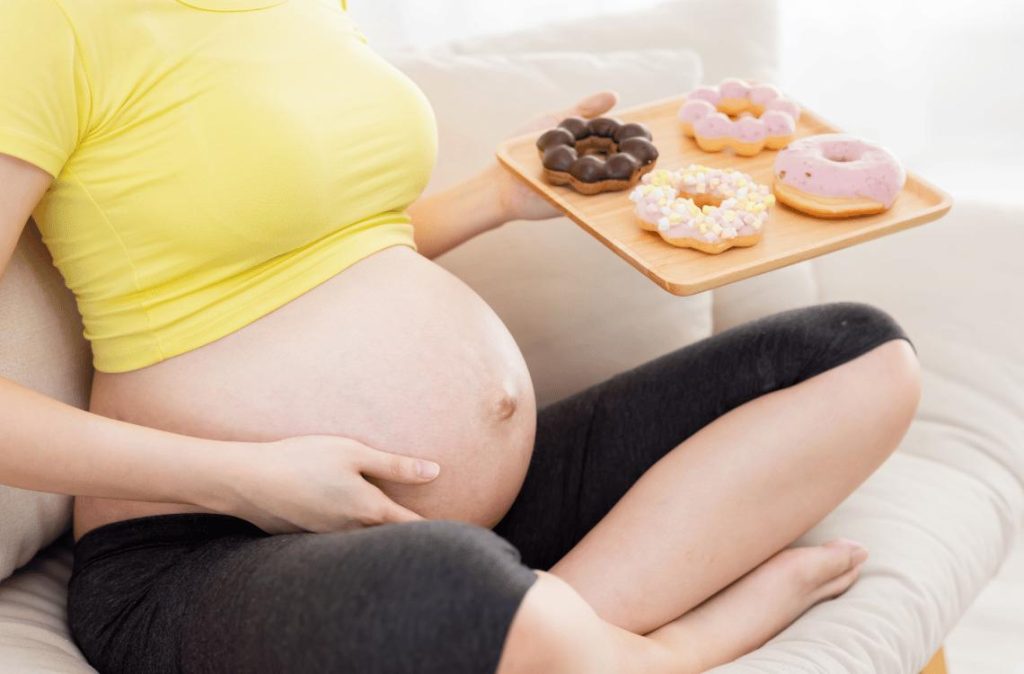
Few phrases follow pregnant women around as stubbornly as eating for two. It is said with a smile, a wink, and often a second helping attached. Aunties insist. Well-meaning colleagues encourage us.
Even strangers feel oddly entitled to comment on what is on your plate.
But here is the truth that often gets lost: pregnancy is not a licence to eat indiscriminately, nor is it a time to diet or restrict.
The idea of eating for two sounds generous, comforting even, but it is also misleading. What most mums actually need is not more food, but better nourishment.
Let us unpack what ‘eating for two’ really means and why it might be time to retire the phrase altogether.
Where the “Eating For Two” Idea Came From


The notion of eating for two has been around for generations. In the past, food scarcity was more common, and weight gain in pregnancy was seen as a sign of health and prosperity.
Encouraging expectant mums to eat more made sense then.
Today, food is rarely scarce. In fact, it is often excessive, processed, and calorie-dense. Yet the phrase stuck. What changed is the nutritional landscape, not the advice.
Modern medicine now tells us that pregnancy calorie needs increase only slightly and not at all in the first trimester.
So when people urge you to keep eating for two, they are often repeating outdated wisdom, not current science.
What Your Body Actually Needs During Pregnancy
Your body does incredible work during pregnancy. It builds a placenta, increases blood volume, and supports a growing baby. That does require energy, but not double portions.
In the first trimester, most women do not need additional calories.
In the second and third trimesters, the increase is modest, roughly the equivalent of a small snack, not a full extra meal.
This is where the misunderstanding around eating for two becomes problematic. It shifts the focus to quantity rather than quality.
A bowl of fruit, yoghurt, or nuts does far more for you and your baby than a sugary drink and a pastry, even if both add the same calories.
Quality Over Quantity Matters More Than Ever

If pregnancy has taught us anything, it is that not all calories are created equal.
When people talk about eating for two, they often imagine larger portions.
In reality, your body is asking for specific nutrients.
Iron supports increased blood supply. Calcium helps build your baby’s bones. Protein supports tissue growth. Folate is essential for early development.
These needs are not met by simply eating more of everything.
Focusing on balanced meals with vegetables, lean protein, whole grains, and healthy fats makes far more sense than doubling up on rice or noodles. It is less about indulgence and more about intention.
Why Overeating Can Create Its Own Problems
It is easy to assume that more weight gain equals a healthier baby.
But that is not always the case.
Excessive weight gain during pregnancy can increase the risk of gestational diabetes, high blood pressure, and a more complicated delivery.
This is not about fear or shame. Bodies vary, and weight gain ranges are guidelines, not rules.
But the myth of eating for two can quietly push mums towards habits that make pregnancy and recovery harder than they need to be.
It can also make postpartum weight loss feel like an uphill battle, especially when combined with sleep deprivation and the demands of caring for a newborn.
Listening to Hunger, Not Social Commentary

One of the hardest parts of pregnancy is navigating other people’s opinions.
Someone may always think you are eating too much or too little.
This is where tuning into your own hunger cues becomes essential.
Some days, you will be hungrier. Growth spurts happen.
Other days, nausea or heartburn may reduce your appetite. Both are normal.
Eating for two does not mean forcing food when you are uncomfortable, nor does it mean ignoring genuine hunger.
Trust your body more than unsolicited advice.
Food Guilt Has No Place in Pregnancy
On the flip side, debunking eating for two does not mean banning treats. Cravings are real, and enjoyment matters too.
A slice of cake, a bowl of laksa, or a craving-driven snack is not a moral failure.
Food guilt adds stress, and stress does not serve you or your baby. The goal is balance over time, not perfection at every meal.
A nourishing baseline with room for enjoyment is a far healthier approach than swinging between restriction and overindulgence.
Reframing “Eating for Two” in A Healthier Way

Instead of eating for two, think of it as eating for you and supporting another life.
That subtle shift changes everything. It moves the focus from excess to care.
Ask yourself simple questions. Does this meal give me energy? Does it help me feel satisfied? Does it include something nourishing?
These questions are more helpful than calorie counting or external judgement.
This mindset also models a healthier relationship with food, one you may later pass on to your child.
A Kinder, More Realistic Way Forward
Pregnancy already comes with enough rules and restrictions. The last thing mums need is confusing or outdated advice.
The truth is refreshingly simple: You do not need to eat twice as much. You need to eat thoughtfully.
The myth of eating for two may be well intentioned, but it no longer serves modern mums. What serves you is nourishment, flexibility, and self-trust.
So the next time someone encourages you to keep eating for two, smile, thank them, and listen to your body instead. It knows what it is doing. You’ve got this, mummies!
Disclaimer: The information provided in this article is for informational purposes only and should not be considered as medical advice from Motherhood. For any health-related concerns, it is advisable to consult with a qualified healthcare professional or medical practitioner.
For more insightful stories and parenting advice, stay tuned to Motherhood.sg!