
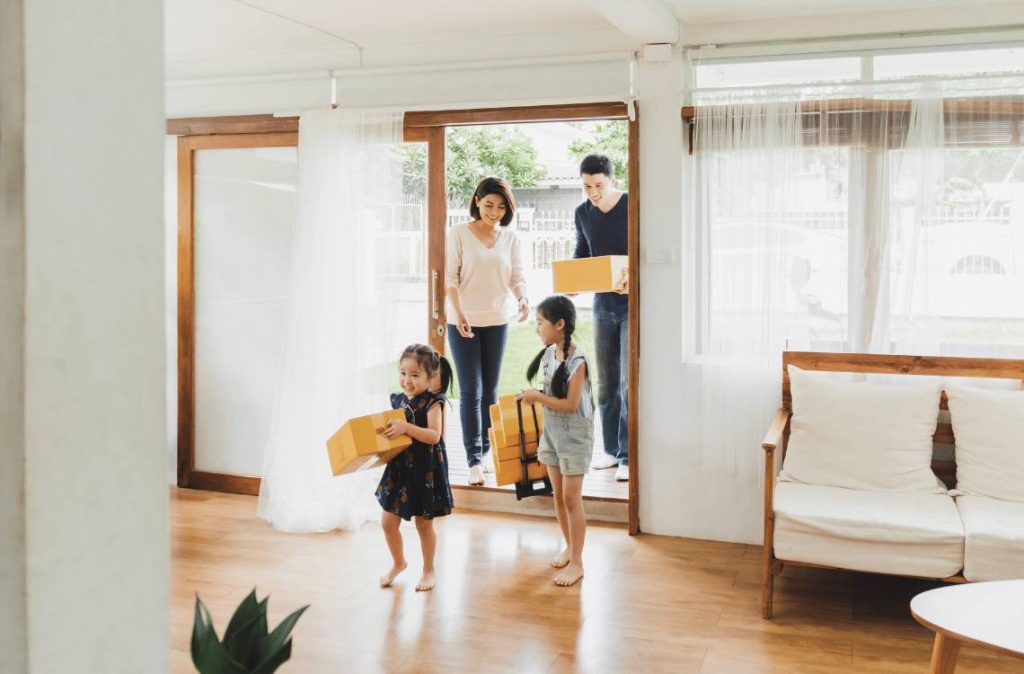
Families move all the time, whether it is for a job relocation, rising rent, school placement, or simply the need for a fresh start. For adults, moving houses often feels logistical. Boxes, paperwork, and timelines take centre stage.
For children, though, it can feel deeply personal. Their room, their view, their neighbours, even the way the light hits the floor at a certain time of day all disappear overnight.
The good news is that with some foresight and a bit of emotional patience, the aftershock does not have to be as disruptive as it seems.
Why Children Hate Change


Forget moving houses for a moment. Even small shifts can throw children off balance. A new carer, a new school, or even a change in bedtime can unsettle them.
Children rely on familiarity to make sense of the world.
When something new enters their life, it can feel threatening rather than exciting. Relocating permanently amplifies that feeling.
It is not just about a new bedroom or a different lift lobby.
It is about unfamiliar sounds, new smells, different neighbours, and not knowing where things are anymore. For a child, this loss of predictability can feel overwhelming.
Here are some science-backed reasons children struggle with sudden change:
- Developing brains crave routine: Predictability helps children regulate emotions and feel safe. Sudden disruptions increase stress hormones.
- Limited emotional vocabulary: Children often cannot articulate anxiety, so it shows up as behaviour instead.
- A stronger attachment to place: Children form emotional bonds not just with people, but with spaces and objects.
- Less control over decisions: Unlike adults, children have no say in moving houses, which can lead to feelings of helplessness.
- Heightened sensitivity to parental stress: Children often absorb adult anxiety, even when nothing is said aloud.
While some children bounce back quickly, others struggle more visibly. You may notice sleep disturbances, increased clinginess, more frequent meltdowns, or withdrawal.
In some cases, prolonged distress can even affect mood and confidence.
Moving houses is one of the biggest transitions a child will experience, aside from starting a new school, and it deserves to be treated with care.
Moving Houses: Preparing for a Change of Scenery

One of the most effective ways to soften the impact of moving houses is to involve your child early. If possible, bring them along during house viewings.
Let them walk through the space, open cupboards, and imagine where their toys might go. Even if the house is empty or in need of work, exposure helps the unfamiliar become familiar.
If the decision has already been made, start introducing the idea gently.
Visit the new place several times before moving day. Spend time there without pressure.
Sit on the floor, have a snack, or let them run around an empty living room. These small moments help build emotional ownership.
Talk through the layout together. Explain where the kitchen will be, where meals will happen, and where their room will be. Ask for their input, even if you cannot fulfil every request. Feeling heard matters more than getting their way.
If there is outdoor space nearby, use it.
A nearby park, playground, or walking path can become an anchor point. Familiar routines in new settings help children adjust more smoothly when moving houses becomes a reality rather than an idea.
Helping Kids Adapt to A New House

Help Them Customise Their New Space
Your child may want their new room to look exactly like the old one. The same bed placement, the same night light, the same posters on the wall.
As tempting as it is to encourage a “fresh start”, respect this instinct. Familiarity brings comfort, and comfort builds confidence.
Avoid Breaking Routine
During the early weeks of moving houses, routine is your greatest ally. Keep mealtimes, bedtimes, and weekend rituals as consistent as possible.
Even if everything else feels new, these predictable moments help ground your child emotionally.
Involve Them in Unpacking and Decorating
Let your child unpack their own box of toys or books. Ask them where things should go in shared spaces.
When children participate, they feel a sense of control in an otherwise overwhelming process.
Avoid Too Many Changes at Once
It can be tempting to renovate, repaint, or upgrade immediately.
But if you can, hold off. Try to make the new home feel as close to the previous one as possible for the first few months.
Familiar furniture placement and colours can make a big difference when moving houses already feels like a lot to process.
What If Your Child Is Not Cooperating When Moving Houses

Sometimes, despite your best efforts, your child resists every step.
They may refuse to sleep alone, reject the new room, or constantly ask to go back to the old house. This does not mean you have failed.
- Acknowledge feelings openly: Saying “I know this is hard” validates emotions without fixing them.
- Avoid dismissing their worries: Phrases like “you’ll get used to it” can feel invalidating in the moment.
- Create small choices: Let them choose bedding, snacks, or the order of unpacking to restore a sense of control.
- Stay calm and consistent: Big reactions from adults can make moving houses feel even more alarming.
- Give it time: Adjustment does not follow a straight line. Regression is common and usually temporary.
If distress persists for weeks or affects daily functioning, consider speaking to a child therapist or school counsellor. Early support can prevent small worries from becoming bigger ones.
Moving Houses, Staying Grounded

Moving houses is often framed as a milestone. A bigger space, a better location, a new chapter.
For children, it is rarely that simple. It is a loss before it becomes a gain.
By preparing early, maintaining routines, and honouring their need for familiarity, you help transform moving houses from a traumatic disruption into a manageable transition.
In time, the unfamiliar becomes normal. The new house becomes home.
Disclaimer: The information provided in this article is for informational purposes only and should not be considered as medical advice from Motherhood. For any health-related concerns, it is advisable to consult with a qualified healthcare professional or medical practitioner.
For more insightful stories and parenting advice, stay tuned to Motherhood.sg!