
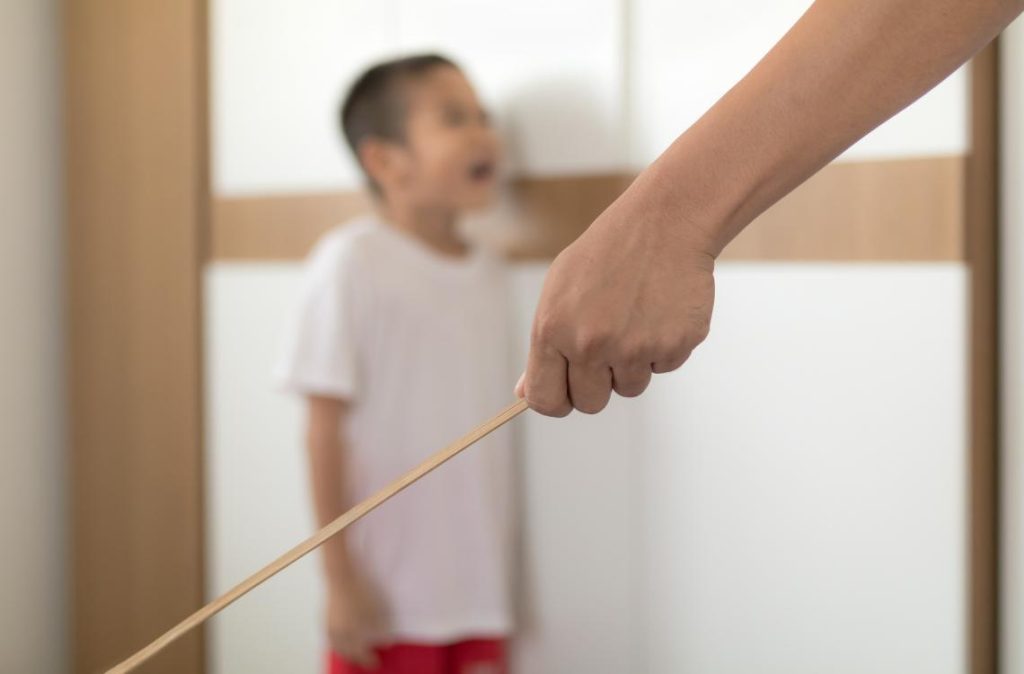
The old adage “spare the rod, spoil the child” has been passed down for generations as a form of childhood discipline. But modern parenting research paints a very different picture.
Physical punishment may seem like a quick solution when a child misbehaves, but it often backfires, creating fear, resentment, and even long-term behavioural issues.
For many parents, the challenge is real: how do you correct behaviour, enforce rules, and maintain authority without ever lifting a hand?
The answer is not in harsher words or stricter rules, but in thoughtful, proactive strategies that teach children how to behave while keeping the parent-child bond intact.
Punishment Vs Discipline


Children often respond to physical punishment in the short term, but the long-term effects are concerning.
Fear may stop a behaviour temporarily, but it rarely teaches understanding, self-control, or empathy. Instead, it can foster anger, anxiety, and secrecy.
Psychological studies show that children who are regularly punished physically are more likely to develop aggressive behaviours themselves, struggle with problem-solving, and have lower self-esteem.
They learn that force is an acceptable way to get results—a lesson most parents would rather avoid.
Here are some science-backed reasons to reconsider using the rod:
- Fear doesn’t teach understanding: children comply to avoid pain, not because they know what is right.
- Increases aggression: physical punishment models force as a solution, often leading to more fighting and tantrums.
- Weakens parent-child relationship: children may become fearful rather than respectful.
- Reduces internal self-control: they may struggle to regulate behaviour when no authority figure is present.
- Impacts mental health: anxiety, depression, and behavioural issues are more common among children who are physically disciplined.
5 Ways to Positively Discipline Your Child
1. Use Positive Reinforcement
One of the most effective ways to shape behaviour is by highlighting what your child is doing right.
Praise, rewards, and acknowledgement of effort encourage repetition of positive behaviour. The key is consistency: children need to know which behaviours are appreciated and why.
Praise specific actions (“I love how you shared your toy with your sister”) instead of vague approval.
Reward effort and persistence, not just results.
2. Set Clear and Consistent Boundaries

Children thrive on predictability. Clearly defined rules with understandable consequences help them navigate expectations without confusion.
Consistency is crucial: if a rule applies sometimes but not others, children may test limits frequently.
Explain rules calmly, not as threats, and ensure your child understands the reason behind them. Consistency builds trust and encourages responsible decision-making.
3. Use Natural and Logical Consequences
Instead of punishment, let children experience the outcomes of their actions in a safe environment. This teaches cause and effect, critical thinking, and accountability.
A child who refuses to wear a coat may feel cold—an immediate lesson without harsh words.
Toys left out may be put away for a period, helping them understand care and responsibility.
4. Practise Problem-Solving Together

When misbehaviour occurs, turn the moment into a learning opportunity.
Discuss what happened, why it was inappropriate, and what could be done differently next time. Engaging children in solutions encourages reflection and empowers them to make better choices.
Ask questions like, “What could we do next time instead?”
Encourage brainstorming solutions before stepping in with your own.
5. Model Emotional Regulation
Children learn more from what they see than what they are told. Staying calm, respectful, and patient—even when frustrated—teaches children to manage emotions constructively.
Parents who model self-control help children internalise coping strategies, making misbehaviour less frequent over time.
Take deep breaths or step aside when emotions rise.
Narrate your own process: “I am feeling angry, so I will take a minute to calm down.”
What If Misbehaviour Persists
Even with these strategies, children will test boundaries. That’s normal and expected. Consistency, patience, and reflection are key.
- Keep calm and firm: avoid giving in to tantrums or emotional outbursts.
- Reinforce learning moments: each mistake is an opportunity to practise skills.
- Seek guidance if needed: persistent behavioural challenges may benefit from a child psychologist or parenting coach.
- Track progress: celebrate improvements to reinforce positive behaviour.
Discipline without Fear

Parenting without the rod is not about leniency; it is about teaching, guiding, and modelling.
By focusing on positive reinforcement, clear boundaries, natural consequences, problem-solving, and emotional regulation, you can discipline effectively without fear or pain.
The reward is more than well-behaved children—it is children who feel safe, understood, and equipped to make better choices independently.
Discipline becomes a shared journey rather than a battle, and respect replaces fear. This is a parenting hack that truly lasts a lifetime.
Disclaimer: The information provided in this article is for informational purposes only and should not be considered as medical advice from Motherhood. For any health-related concerns, it is advisable to consult with a qualified healthcare professional or medical practitioner.
For more insightful stories and parenting advice, stay tuned to Motherhood.sg!