
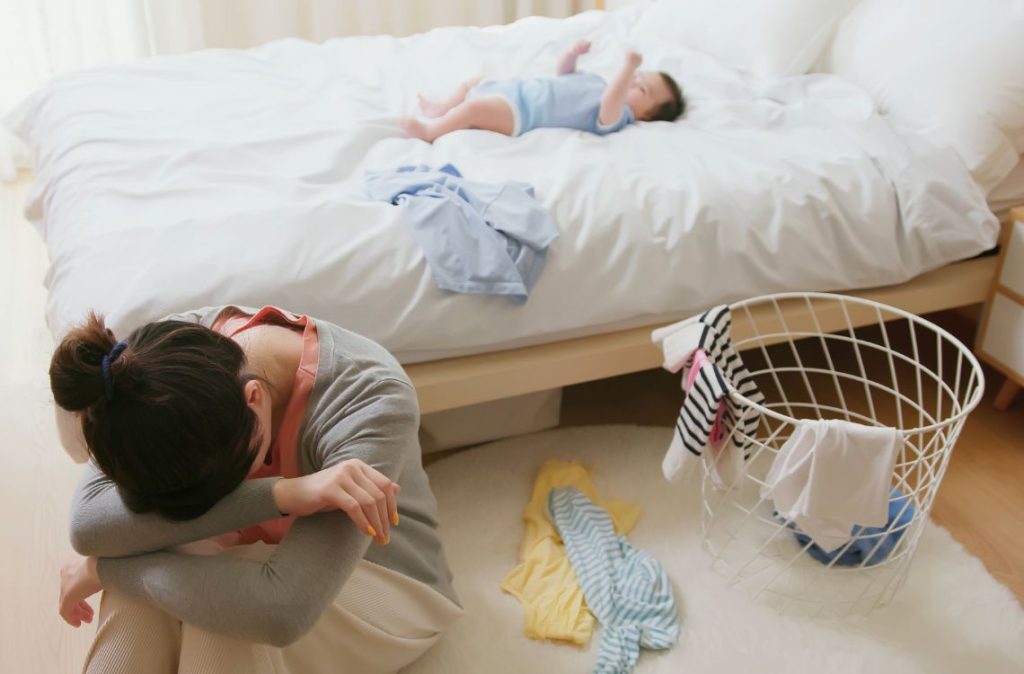
When people talk about life after childbirth, the emotions that usually come to mind are joy, love, or sometimes sadness.
Postpartum depression has finally begun to get the attention it deserves in Singapore, with hospitals and support groups educating parents about the signs. But there’s another emotional shift that almost no one talks about: postpartum anger.
Yes, anger. Not just irritation from sleepless nights or frustration with crying, but a kind of boiling rage that can take new mothers by surprise.
For many women, it shows up in slammed doors, harsh words, or even a sudden urge to throw something across the room.
And because society expects mothers to be endlessly patient and nurturing, the shame that follows can feel unbearable.
Why Anger Gets Overlooked


In Singapore, where family harmony and “saving face” are highly valued, anger is often brushed aside.
A mom who admits she feels rage at her partner, her baby, or even her in-laws risks being labelled ungrateful, selfish, or simply “cannot take it”. As a result, many women keep quiet, thinking they’re alone.
But they’re not. International studies suggest that postpartum anger, or postpartum rage, is far more common than people realise.
Locally, counsellors and maternal health advocates in Singapore have begun to see mothers bringing it up in therapy sessions, often after months of bottling it inside.
Yet there’s still little public discussion, no national awareness campaigns, and very few resources that address anger specifically.
What Fuels the Rage?

The triggers are often ordinary. A partner who doesn’t wake up at night to help with feeds.
A mother-in-law who insists on doing things “the traditional way”. A crying baby that refuses to latch despite hours of effort.
On top of that, there’s exhaustion, hormonal shifts, and the enormous responsibility of keeping a newborn alive.
In Singapore, the pressures of confinement practices, returning to work quickly, and living in smaller apartments with extended family can make tempers flare even more.
For a mother who already feels stretched thin, one careless comment like “The baby is crying again. What did you eat?” can feel like the last straw.
The Silent Consequences

When anger is dismissed as “just stress”, the consequences can be serious. Some mothers direct the rage inward, leading to guilt, anxiety, and even depression.
Others lash out at partners, straining marriages during an already fragile time. And in rare cases, uncontrolled anger can tip into unsafe behaviours.
Because it isn’t openly discussed, many Singaporean mothers may not even realise what they’re experiencing has a name.
They may think they’re “bad mums” instead of mums facing a very real emotional change. That silence is dangerous.
Breaking the Taboo

So how do we start talking about postpartum anger in Singapore?
First, healthcare providers need to bring it up. Just as hospitals now screen for postnatal depression, they could also ask mothers about anger, irritability, or sudden outbursts.
This simple step could validate what women are feeling and point them to help.
Second, partners and families need to understand that anger isn’t a sign of failure.
It’s a signal that something deeper is happening—whether it’s sleep deprivation, lack of support, or hormonal changes. Instead of criticising, they can step up.
Sometimes the most practical solution is sharing the load: changing diapers, preparing meals, or simply listening without judgement.
Finally, mothers need safe spaces where they can talk honestly. Support groups, online forums, or even informal mom circles can help normalise the conversation.
If Singapore can discuss confinement food in detail, surely we can also talk about the emotional storms of postpartum life.
A Call for Compassion

Postpartum anger may not look as heartbreaking as depression, but it can be just as isolating.
It’s time we recognise that rage can be part of the postpartum experience too. Mothers are human. They don’t stop feeling the full range of emotions just because a baby has arrived.
For every mom in Singapore who has felt that hot wave of fury and then the crushing guilt that follows, here’s the truth: you are not alone.
And you are not a bad mother. Anger is a signal that you need support, not shame.
If we start treating postpartum anger as a real, valid experience, then perhaps more mothers will get the understanding they deserve.
And maybe, just maybe, the next generation of Singaporean parents will grow up in families where honesty about emotions is seen as strength, not weakness.
Disclaimer: The information provided in this article is for informational purposes only and should not be considered as medical advice from Motherhood.sg. For any health-related concerns, it is advisable to consult with a qualified healthcare professional or medical practitioner.
For more insightful stories and parenting advice, stay tuned to Motherhood.sg!