
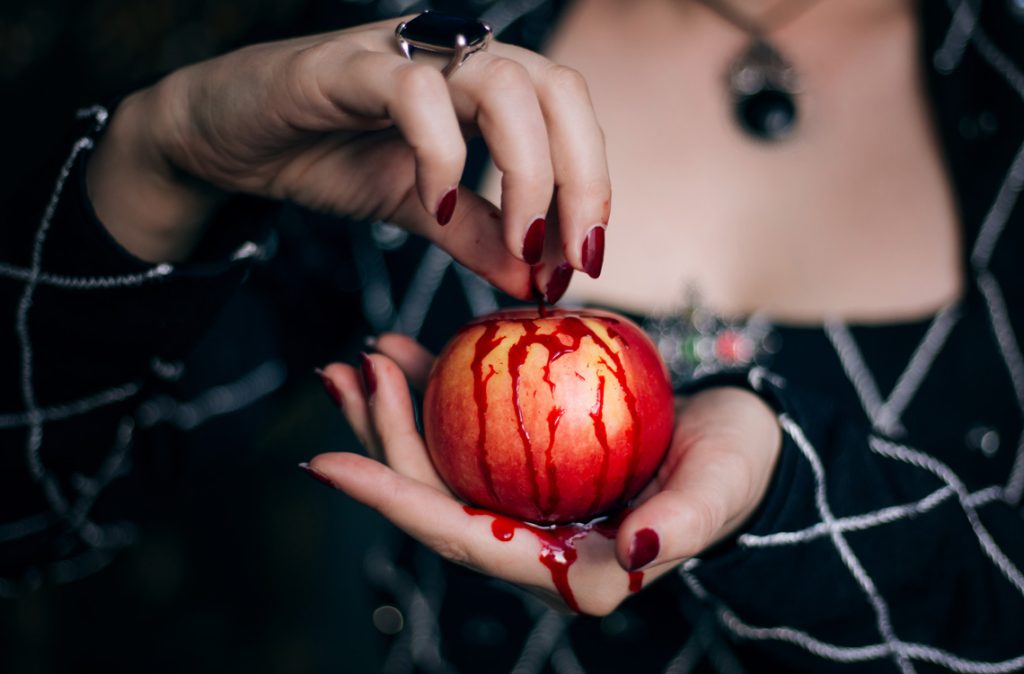
From Lady Tremaine to Grimhilde, the stereotype of the ‘evil stepmother’ has haunted fairy tales and popular imagination for centuries. But how fair is this portrayal?
The theme of the ‘wicked stepmother’ has unfortunately not stopped with these old fables. There are still movies and TV shows portraying stepmothers as conniving, deceptive and selfish.
Even now, people tend to have unpleasant views on women who marry into families. We’ve looked at some facts to debunk these myths.
A Twisted Tale Indeed


It is no surprise that the vilification of stepmothers owes much to folklore. Stories like Cinderella and Snow White are some of the first stories in the English-speaking world to portray the stepmother as a fairy tale villain.
But here’s a fun fact that you may not even know. In early versions of Snow White, the villain was actually the princess’ own biological mother, not her stepmother!
It was only later that the story was rewritten by the Brothers Grimm and that the character became what she is known as till this day. The wicked stepmother.
This was possibly done to make the story much more palatable to child readers who may be uncomfortable with the idea of their own flesh-and-blood parent being the villain of the story.
However, there are much older stories about evil stepmothers (but more on that later).
Beyond the Storybook Pages

The fear of stepmothers is not simply a result of fairy tales or folklore. In Cinderella, for instance, the stepmother may have reflected society’s fears around inheritance, legitimacy and child welfare.
Before the advancement of science and medicine, women were more likely to die from childbirth. In those tumultuous times, men were more likely to die from war. Disease was rife, and it was not uncommon for families to be separated more so by death than divorce.
In such cases, widowhood meant that remarriages were common. In mediaeval Europe, for instance, it was not unusual for a man or woman to marry two or three times in his or her lifetime.
Most of the time, stepmothers entered into new families for survival rather than self-interest. They were tasked with the impossible responsibility of taking care of another woman’s child(ren) and adapting to a new family system.
To think of stepmothers wholly as conniving golddiggers is unfair. Perhaps the only reason such stories are prevalent is because of how uncommon they are, blown out of proportion by the mass media of the time.
The Stepmothers of Today

We’ve talked at great length about historical and fictional stepmothers, but what about modern-day stepmothers?
Studies show that even now, many stepmothers are finding it hard to fit into their new families. Around 57% reported that they find it challenging to relate to their stepchildren or to develop long-lasting good-quality relationships with them.
We can of course blame fairy tales all we want for this statistic. But perhaps the truth is myths cannot wholly explain why blended families still have struggles when it comes to building, or rather re-building, a happy, harmonious home.
The truth is a lot of children find it difficult to accept a stepparent for many reasons. Not all of which are fairy tale-related. Fear of strangers, feelings of uncertainty and, most of all, the idea of the ‘loyalty bind’.
Most children resist accepting a stepparent because of a psychological attachment to the removed parent. The resistance is especially stronger if the parent has died. The child does not want to appear as though they have betrayed that parent by showing love to the stepparent.
However, the positive role of stepmothers cannot be ignored as well. Studies show that stepmothers are important in helping children of divorce adjust to a new family system.
Perhaps, just like normal families, stepfamilies and blended families also have their fair share of everyday struggles, disagreements and conflict.
Breaking the Spell: The Misunderstood Stepmother

Stepmums have always had interesting and complex roles in society. However, the concept of a stepparent or stepfamilies is not uncommon at all. Here are some interesting facts about stepmothers that you may not know about:
- Ancient stepfamilies were very common. In Ancient Rome, remarriage after the death of a spouse was almost expected, particularly among the upper classes. Roman Emperor Augustus even passed laws encouraging widows and widowers to remarry quickly to maintain social stability.
- The ‘wicked stepmother’ trope is very old. The earliest known fairy tales involving stepmothers did in fact portray her originally as evil. However, it’s from a Chinese folktale called Ye Xian, the ‘original’ Cinderella story.
- Victorian stepfamilies were the norm. In 19th-century Britain, about one in five children lived with a stepparent at some point, mainly because of deaths from disease or childbirth complications. It wasn’t unusual at all — but anxieties around property, inheritance, and new loyalties often led to suspicion toward stepparents.
- The word ‘stepmother’ isn’t what you think it means. Interestingly, the word ‘step’ in ‘stepmother’ comes from the Old English ‘steop-’ or ‘estepan’, meaning ‘bereaved’. This may have originally described a child who had lost one or both parents, rather than focusing on the replacement adult.
Deconstructing the Stepmother Stigma

As the modern age rethinks its opinions on women, the ‘wicked stepmother’ role is slowly losing its grip on collective consciousness.
Movies like Disenchanted (2022) show how stepmothers are not all evil and cunning but can be just as fiercely loving and loyal to the children they have called their own.
Today, many stepmothers build strong, loving relationships with their stepchildren. It’s high time we left the wicked stepmother trope in the storybooks – and celebrated the real women who take on this important role with grace and care.
For more insightful stories and parenting advice, stay tuned to Motherhood.sg!