
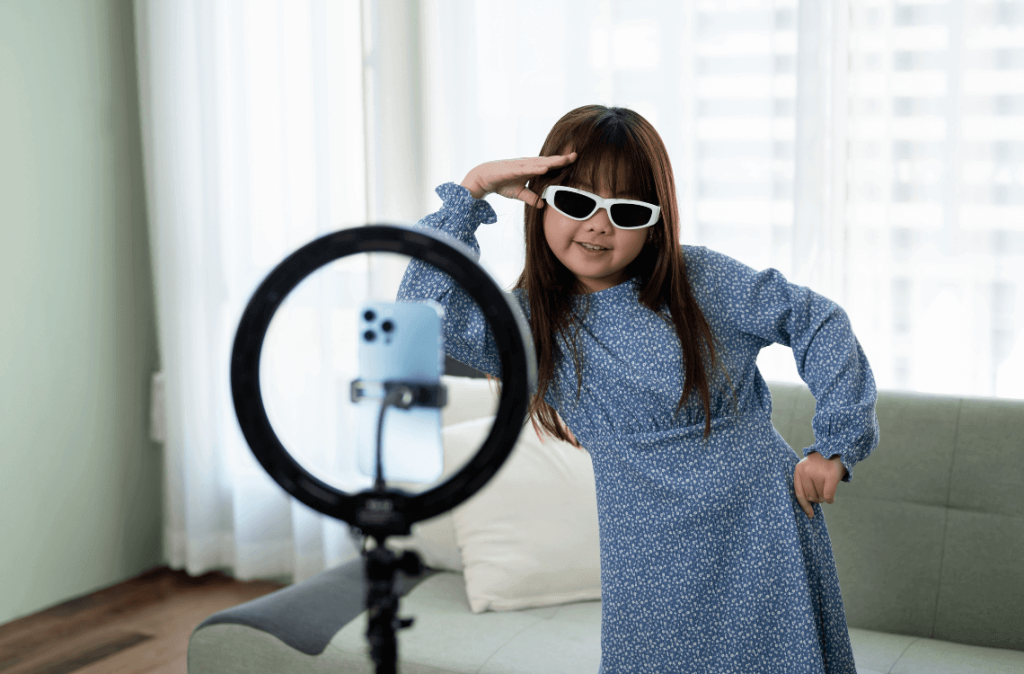
Short answer: Singapore parents should look beyond the number of hours a child spends on social media. How children use social media, what they see, who they interact with and whether it displaces sleep, exercise or offline relationships also matter. A 2026 Singapore expert panel found that problematic social media use is more consistently associated with poorer wellbeing than time spent on social media alone. Read the Ministry of Health’s expert panel findings.
For many parents, the question of when a child should have their first social media account can feel increasingly difficult.
Children may see friends using social platforms, while parents worry about cyberbullying, inappropriate content, online strangers, comparison and endless scrolling.
These concerns are particularly relevant in Singapore. In July 2026, an expert panel convened by the Ministry of Health (MOH) published recommendations on healthier and safer social media use among young people. The full MOH report and recommendations are available here.
For parents, understanding how social media is being used can be just as important as counting how long children spend online.
How Does Social Media Affect Children?


The relationship between social media and mental health is not as simple as saying that more screen time automatically causes harm.
Singapore’s full expert panel report noted that the effects depend on factors including the amount of use, the content encountered, online interactions and whether social media replaces activities important for children’s health and wellbeing.
The panel also noted that current evidence does not establish clear causation between social media use and adverse mental health outcomes.
However, problematic use can be concerning.
In Singapore, the panel reported that one in three young people aged 15 to 17 spent more than three hours a day on social media, while one in six young people aged 10 to 24 showed signs of problematic social media use.
What Makes Social Media Use More Concerning?
Parents may want to pay attention to patterns of behaviour, rather than simply counting minutes.

Some warning signs include:
- Your child struggles to stop using social media even when they intend to.
- Social media regularly interferes with sleep, schoolwork or family time.
- Your child becomes increasingly distressed by online interactions.
- They repeatedly encounter upsetting or harmful content.
- Online activity is replacing exercise, hobbies or face-to-face relationships.
- Your child appears increasingly focused on likes, followers or comparing themselves with others.


The MOH expert panel highlighted several platform features that may create additional risks for young users, including infinite scrolling, autoplay, algorithmically curated feeds and visible social feedback such as likes and follower counts.
When Should A Child Get Social Media?
There is no single age that works for every family.
Parents should consider the child’s maturity, the platform’s minimum-age requirements, their ability to recognise unsafe situations and whether they can talk to an adult when something goes wrong.
Singapore’s current screen-use guidance advises that children aged 7–12 should not be given access to social media services. HealthHub’s current screen-use guidance also provides age-specific recommendations for managing children’s digital habits.
If your child is approaching the age when they want an account, use the opportunity to discuss how to use social media, rather than only whether they are allowed to use it.
What Should Parents Teach Children Before They Join Social Media?

Talk About Strangers And Private Messages
Children should know that not everyone online is who they claim to be. They should not share personal information or arrange to meet online contacts without an appropriate adult’s involvement.
Explain That Online Content Is Curated
Social media feeds do not show an objective picture of other people’s lives.
Children may compare themselves with carefully selected photos, videos or lifestyles without understanding what happens outside the frame.
Teach Them What To Do When Something Feels Wrong
Make it clear that they can come to you without automatically losing access to their device.
Knowing that they can ask for help may make it more likely that they will tell you about cyberbullying, inappropriate messages or disturbing content.
Create Boundaries Around Sleep
Avoid letting social media quietly become part of the bedtime routine.
The MOH panel noted that heavy social media use can disrupt sleep, while sleep itself plays an important role in emotional regulation and mental wellbeing.
Should Parents Check Their Child’s Social Media?

For younger children, some level of parental supervision may be appropriate.
As children grow, the approach can gradually shift towards teaching them how to make safer decisions independently.
You might agree on family rules covering:
- Which platforms are allowed
- Whether accounts are private
- Who they can communicate with
- What personal information they should never share
- What happens if they see disturbing content
- When phones are kept away
- When parents may need to step in
For more practical guidance, HealthHub’s Parent Hub recommends age-appropriate screen plans, parental controls and regular conversations about what children are viewing online.
Singapore’s wider Screen Smart from the Start movement also encourages families to build healthier digital habits through age-appropriate guidance, family conversations and meaningful offline activities. The movement was launched by the Ministry of Digital Development and Information in May 2026. Find out more about Screen Smart from the Start.
FAQs About Kids And Social Media
What Age Should A Child Have Social Media In Singapore?
There is no single suitable age for every child. Parents should consider maturity, platform requirements and their child’s ability to use social media safely. Singapore’s MOH guidance discourages social media use for children under 12.
Is Social Media Bad For Children’s Mental Health?
Research has found associations between problematic or excessive social media use and poorer wellbeing, but current evidence does not establish clear causation. How a child uses social media matters too.
How Can Parents Reduce Unhealthy Social Media Use?
Set clear family boundaries, protect sleep time, encourage offline activities and regularly talk to children about what they encounter online.
What Should I Do If My Child Is Being Bullied Online?
Keep communication open, document concerning messages or content, use the platform’s reporting and blocking tools, and seek support from the child’s school or appropriate professional services if the situation is serious.
For Singapore families, healthy digital habits are becoming part of everyday parenting. The aim is not simply to remove every screen from childhood but to help children develop the judgement and confidence to navigate online spaces safely.
Disclaimer: The information provided in this article is for informational purposes only and should not be considered as medical advice from Motherhood. For any health-related concerns, it is advisable to consult with a qualified healthcare professional or medical practitioner.
For more insightful stories and parenting advice, stay tuned to Motherhood.sg!