
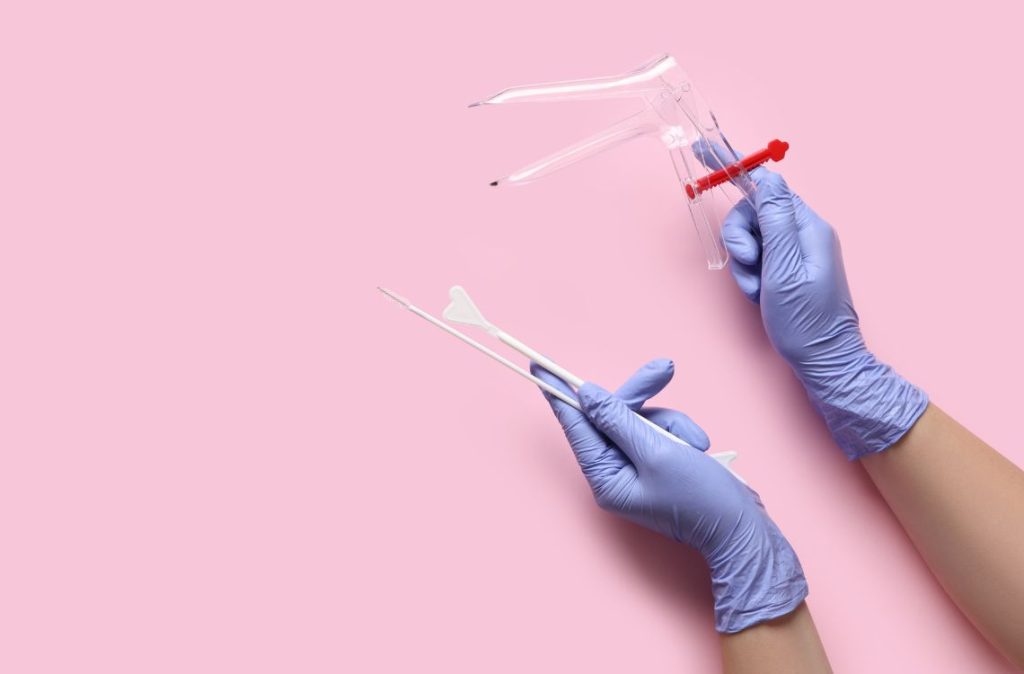
Booking a Pap smear rarely feels exciting. For many mums, it sits somewhere between “important but uncomfortable” and “I’ll get to it after the kids’ next school term”.
Life gets busy. School runs, work deadlines, endless snack requests.
But a Pap smear is one of those quiet, behind-the-scenes health checks that can make a very big difference, especially once you’ve had children.
If your next Pap smear appointment is coming up, or if you have been postponing it for a little too long, here’s what’s worth knowing before you walk into the clinic.
Why a Pap Smear Still Matters After Kids


After pregnancy and childbirth, some women may assume that frequent doctor visits in those early years cover everything.
In reality, routine screenings often fall off the list once postnatal check-ups end.
A Pap smear screens for abnormal cervical cells, often before symptoms appear.
Cervical cancer is highly treatable when detected early, which is why regular Pap smear appointments matter, even if you feel perfectly healthy.
For mums juggling family life, this test is less about fear and more about prevention. It is a small investment of time that protects your long-term health, which your family depends on more than you might realise.
When Should You Schedule Your Pap Smear?

General guidelines suggest having a Pap smear every three years, depending on age and medical advice.
However, many women delay theirs unintentionally. Common reasons include:
- Assuming pregnancy check-ups replaced the need for screening
- Feeling uncomfortable about the procedure
- Simply forgetting to reschedule after cancelling once
If you cannot remember your last Pap smear, that is usually a sign it is time to book one.
In Singapore, clinics are widely accessible, and many appointments are quick and discreet. Some even offer combined women’s health packages that make scheduling easier.
What Actually Happens During a Pap Smear

The fear of the unknown often makes a pap smear feel more intimidating than it really is. In reality, the procedure is usually brief and straightforward.
Most health articles will tell you that it doesn’t hurt, but always demand to get at least a topical anaesthetic. You do not know your own pain threshold, so it is better to be safe than sorry.
The doctor will either apply a numbing cream or spray around your cervix. In some cases, an injection may be required.
Here’s what typically happens: First, you’ll be asked to lie back while the doctor gently inserts a speculum to widen the vaginal cavity. A small sample of cervical cells is then collected.
The process usually takes just a few minutes. While it can feel uncomfortable, it should not be painful.
If you are anxious or have had a difficult experience in the past, tell your doctor. Good communication can make a noticeable difference.
Preparing for Your Appointment without Stress

Preparing for a pap smear does not require anything complicated. A little planning can help make the experience smoother, especially when coordinating childcare or work schedules.
A few simple tips:
- Avoid scheduling your pap smear during your period
- Skip vaginal products or intercourse 24 hours beforehand if advised
- Choose a time when you are less rushed, if possible
Some mums prefer early morning appointments before the day spirals into chaos. Others book during school hours for peace of mind. There is no perfect time, just the time that works for you.
Common Myths That Keep Women Away
Despite increased awareness, myths around the Pap smear still linger, often quietly discouraging women from booking appointments.
Let’s clear a few up.
- A pap smear does not test for fertility.
- It does not mean something is already wrong.
- It does not take long.
- Most importantly, skipping a Pap smear because you feel healthy is a misconception. Cervical cell changes often show no symptoms at all.
After Your Pap Smear: What to Expect
Once your procedure is done, you can return to your normal routine immediately. There may be mild spotting, but most women feel fine afterwards.
Results usually come back within a few weeks. If your Pap smear result is normal, you’ll simply be advised when to return for your next screening.
If results show abnormal cells, it does not automatically mean cancer. Often, it just means further monitoring or follow-up tests are needed. Early detection allows doctors to manage changes before they become serious.
The Quiet Power of One Appointment

A Pap smear does not come with fanfare. There are no visible milestones or celebratory photos. But its impact can be profound.
Think of it as one of those behind-the-scenes choices that future-you will thank you for. Between school lunches and bedtime routines, this small appointment holds long-term value.
If reading this reminds you that your last procedure was overdue, take that as a gentle nudge rather than a scolding. Life happens. What matters is choosing to act now.
Book the appointment. Ask the questions. Take the 15 minutes.
Your health deserves a spot on your calendar too.
Disclaimer: The information provided in this article is for informational purposes only and should not be considered as medical advice from Motherhood. For any health-related concerns, it is advisable to consult with a qualified healthcare professional or medical practitioner.
For more insightful stories and parenting advice, stay tuned to Motherhood.sg!