
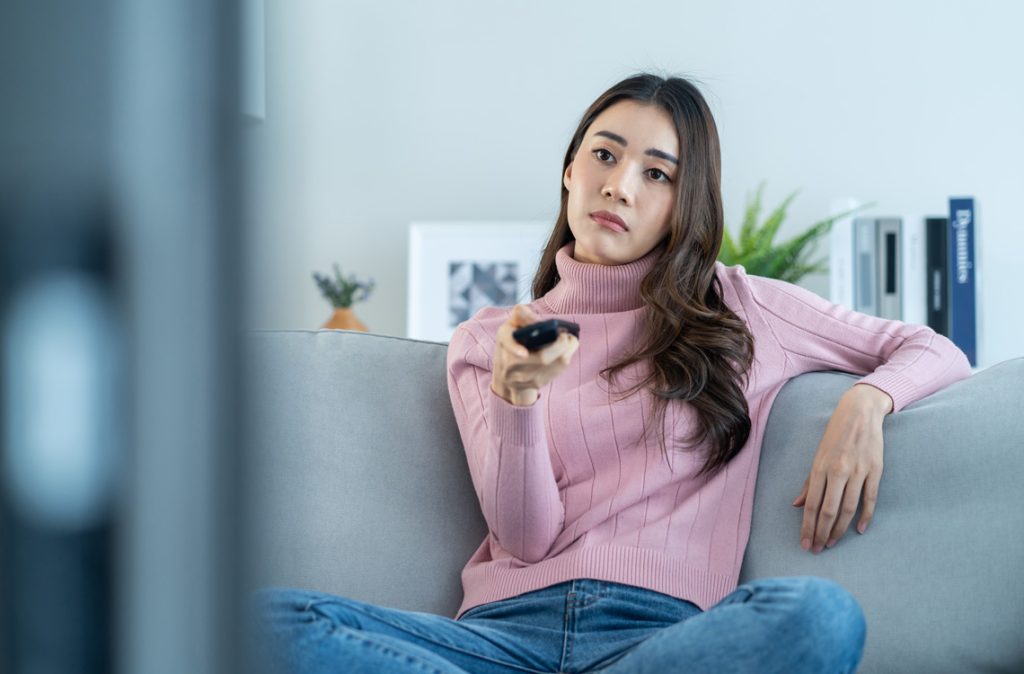
If you’re a parent, you’re probably not a stranger to boredom.
Sitting in traffic, doing laundry, or cooking dinner for the third night in a row, you’re pretty much on autopilot.
As for the little rugrats? ‘Mummyyyy, I’m bored!’ is practically a household anthem.
But here’s a thought: what if boredom is actually a good thing?
What if, instead of something to be avoided at all costs, it’s actually doing us (and our children) a world of good?
A Dopamine-Addicted World


In an age of instant gratification and endless scrolling, we’ve developed a dopamine addiction (and an aversion to being bored).
The moment we sense a lapse in activity, our fingers unconsciously reach for our phones. We have almost been conditioned to fear inactivity.
But science is now telling us something that perhaps many of us are not ready to hear: boredom is not only natural; it’s necessary.
Studies show that boredom can help our mind in many positive ways. First, by helping restore the brain’s reward system.
When we’re constantly stimulated, we lose our sensitivity to the little things that once brought us joy.
It also pretty much drains every ounce of discipline and motivation from our bodies (leaving very little room for pursuing hobbies or life-changing plans and goals).
Like a sugar-addicted child, our brains start demanding more and more stimulation to feel satisfied.
That’s where boredom comes in. It acts as a kind of mental palate cleanser, helping us relax, recover and reset.
The Power of Doing Nothing

Boredom may just be the cure that we parents may have been looking for. Something to help inspire, invigorate and transform us.
Boredom forces us to pause. It opens up space for reflection, for ideas to take root, for that inner guidance to finally come through and show us the answers to our problems.
Have you ever noticed how some of your best ideas come while doing something mindless: folding laundry, washing dishes, or pushing the pram around the block?
That’s boredom at work, quietly giving your brain a break so it can make new connections behind the scenes.
It’s also worth noting how deeply boredom and creativity are linked.
When kids are left to their own devices, they’re actually learning how to entertain themselves. They’re problem-solving, imagining, and inventing even when you see them ‘doing nothing’, like staring blankly at a wall or out a window.
It’s in these quiet moments that creativity blooms. The same goes for us grown-ups.
That feeling of being ‘stuck’ or restless can be a powerful motivator. It nudges us to try something new, reframe a problem, or reconnect with hobbies we haven’t touched in years.
So the next time you find yourself idly staring into space while your toddler builds a block tower, don’t rush to fill the gap with your phone.
Let the boredom sink in—you never know what it might lead to.
But the thing is, did you know that many of us don’t even know how to be bored correctly?
How to Be Bored

As natural as boredom is to humans, it’s not the easiest habit to cultivate. We have been trained since childhood to be uncomfortable with our own thoughts.
However, there is a way to access intentional or productive boredom in order to unleash the creative powers of the mind (whilst at the same time, allowing the brain to relax from its usual exhausting cognitive activities).
Taking time to be intentionally bored can reduce stress, recalibrate your attention span, and help you feel more present.
Here’s your survival guide on intentional boredom:
- Leave distractions behind: This includes everything like your phone, your laptop, the television and even the radio. Do not bring books either or any other activities that are designed to distract or tempt the mind.
- Find a sanctuary: Just like with meditation, find a place where you won’t be disturbed. If you must, block out your calendar to ensure you have plenty of opportunity to be bored, reserved for those small and precious pockets of time.
- Respect your thoughts: Allowing yourself to be bored can bring up a lot of repressed fears, memories and self-talk. This is called rumination. Understand where they are coming from, but don’t pay too much attention to them. Remember, your thoughts are not you.
- Go outdoors: Intentional boredom is better in nature, such as at a park or by a lake, with minimal distractions. Sitting cooped up in your room or house can often lead to rumination and the feeling of claustrophobia.
- Be mindful: Mindfulness isn’t just a meditative exercise; it can be done even while your eyes are open. Pay attention to your surroundings; take note of what you can sense with your five senses. This allows your mind to wander.
- Keep a notebook handy: You’d be surprised by the kind of epiphanies and ‘shower thoughts’ you might activate when you’re in this state of productive boredom. Avoid using the notes app on your phone to minimise temptations.
- Start small: You don’t have to be dramatic with this experiment. Start your boredom exercise for a few minutes as you slowly build up your tolerance. Even then, you probably don’t need more than 15 to 30 minutes (non-consecutively).
Boredom might not be glamorous, but it’s surprisingly powerful.
It teaches us to find satisfaction in the moment, to be resourceful, and to enjoy the slower rhythms of life.
Embracing Stillness

As parents, we often feel the need to fill every moment. Either with activities for the kids or to catch up on the endless to-do list.
But maybe we should give them (and ourselves) permission to do nothing now and then.
To lean into the stillness, the quiet, the peace between doing and being.
To be content in that seemingly unproductive space where nothing is happening on the outside, but so much is stirring beneath the surface.
Because in that space, creativity takes root. Perspective returns. And sometimes, that’s exactly what we need.
So the next time you hear, ‘I’m bored!’ from your kids (or from that small voice in your head), try welcoming it with a smile.
Doing nothing, it seems, might just be the start of everything.
Disclaimer: The information provided in this article is for informational purposes only and should not be considered as medical advice from Motherhood.sg. For any health-related concerns, it is advisable to consult with a qualified healthcare professional or medical practitioner.
For more insightful stories and parenting advice, stay tuned to Motherhood.sg!